Failure Analysis of Industrial Bellows: Causes, Prevention & Testing Methods
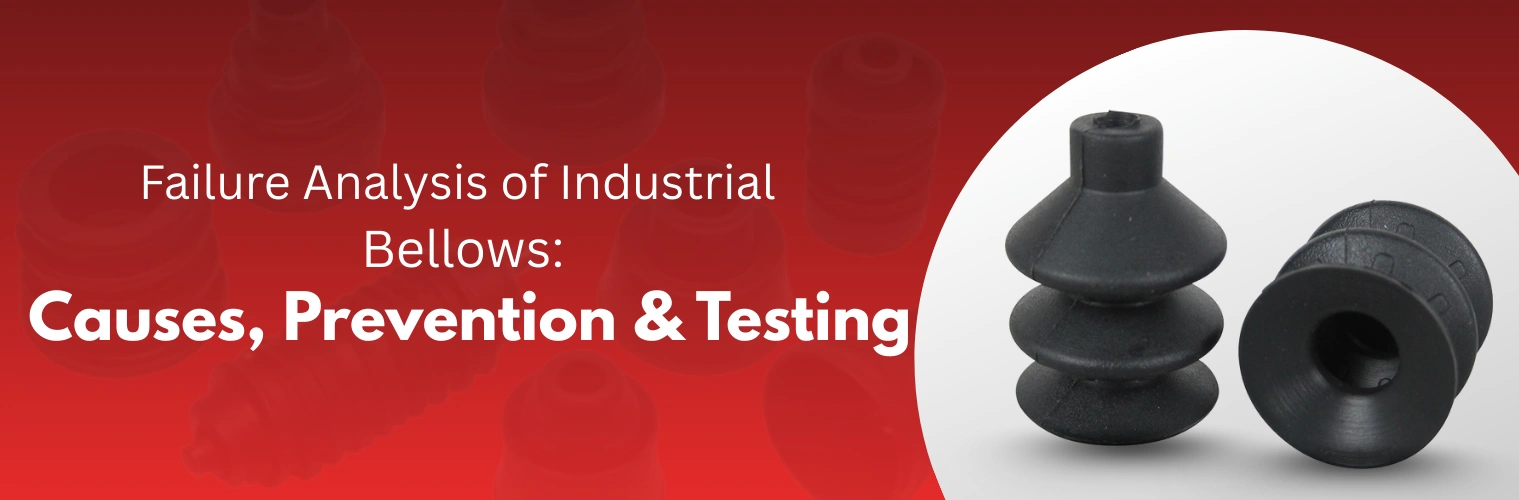
Rubber bellows play a critical role in protecting mechanical components from dust, moisture, vibration, and environmental damage. They are widely used in machinery, automotive systems, HVAC equipment, and industrial piping to absorb movement and ensure smooth operation. Choosing the right rubber bellows requires careful evaluation of several technical and environmental factors to ensure durability and performance.
At Custom Rubber Bellows, we focus on making high-quality bellows that offer top-notch protection, flexibility, and durability in various environments. To help you make the right choice, here's a guide covering the key things to keep in mind when buying rubber bellows.
Understanding the Purpose and Application
- Material Selection:When you're looking to buy rubber bellows, choosing the right material is a really important step. Different kinds of materials like EPDM, Nitrile (NBR), Neoprene, and Silicone all handle temperature changes, chemicals, and environmental factors differently. Getting the material choice right will help your bellows last longer without breaking, expanding, or losing their elasticity as time goes on.EPDM Rubber Bellows: These are great for outdoor use because they stand up well to ozone, UV rays, and other environmental damage.Silicone Rubber Bellows: These are perfect for high-temperature situations, as they stay flexible even in extremely hot or cold environments.Neoprene Rubber Bellows: These provide a good level of resistance to oil, ozone, and general wear and tear.Nitrile Rubber Bellows: These are the best choice when the bellows are exposed to oils and fuels.
- Operating Temperature Range The ability of rubber bellows to withstand different temperatures is crucial for rubber bellow performance. Every type of rubber material has its own temperature range within which it remains flexible and able to create a good seal. For example, silicone rubber works effectively in temperatures from -60°C up to 230°C, whereas EPDM rubber is suitable for temperatures ranging from -40°C to 120° C. If the material is used outside of its recommended temperature range, it might crack, become too hard, or get permanently misshapen.
- Chemical Resistance In many industrial applications, rubber bellows are exposed to oils, cleaning solutions, acids, and other chemical substances. For example, Nitrile rubber holds up really well against oil-based liquids, whereas bellows made from Viton are great for tough chemicals and high temperatures. If the bellows will be exposed to cleaning solvents, fuels, or greases, then double-check their compatibility before you buy them. Making sure the materials are chemically compatible helps ensure the bellows don't wear out or break down too quickly and prevent your system from getting contaminated.
- Pressure and Vacuum Requirements Rubber bellows are frequently used in systems that experience internal pressure or vacuum. The pressure rating indicates the amount of internal or external force that the bellow can handle before it breaks or bursts. To choose the correct bellow, it's important to know the pressure and vacuum requirements of your system. This ensures the bellow maintains its shape and performs efficiently under different stress levels. For applications where pressure is pushing outwards, make sure the bellows are thick and strong enough. For situations where pressure is pulling inwards (like a vacuum), consider designs that have internal supports or metal rings to prevent the bellows from collapsing.
- Movement and Flexibility Rubber bellows are mainly used to absorb movement in different directions such as axial, lateral, or angular. The design of the bellows, especially the shape and pattern of their folds (or convolutions), will determine how well they manage this movement. It's important to choose a bellows that can handle the expected amount of stretching or compression without getting damaged or wearing out too quickly. If you need something specific, discuss with a rubber bellows manufacturer that makes custom rubber bellows to perfectly fit your unique movement and load requirements.
- Design and Dimensions To get the best possible fit and performance, it's crucial to choose the right size and design for specific applications. Factors like the width, length, material thickness, and convolution shape should all match perfectly with your system's requirements. If a bellow doesn't fit well, it can cause stress on the machinery, develop leaks, or wear out quickly. Rubber bellows can be customised with exact measurements, ensuring excellent performance and an easier installation process. Additionally, consider whether your system would benefit from flanged ends, cuffs, or molded fittings to make mounting and connecting much simpler.
- Compliance and Industry Standards It's important to make sure the rubber bellows meet all the necessary industry standards and quality certifications, particularly if they're being used in industries like food production, medical, or aerospace. For example, choosing bellows that comply with these requirements ensures they are safe, dependable, and will pass any quality inspections. For example: Silicone bellows that are FDA-approved, perfect for food and medical applications. Materials that meet RoHS and REACH standards, ensuring they're environmentally safe. Manufacturers with ISO 9001 certification guarantee quality assurance.

Why Choose Custom Rubber Bellows?
At Custom Rubber Bellows, we are driven by core values that guide our business and define our commitment to our clients.

Expertise and Experience - With years of experience in the Bellows industries, we have the expertise to deliver custom-designed solutions that meet the most demanding requirements.
High-Quality Products - Our Bellows are made from high-quality materials, ensuring durability, clarity, and long-lasting performance.
Custom Solutions - We specialize in providing tailored Bellows solutions that meet the unique needs of our clients.
Exceptional Customer Service - We provide end-to-end support, from initial consultation to post-delivery assistance, ensuring our clients are delighted with the results.

Choosing the correct rubber bellows involves carefully weighing the material's characteristics, environmental factors, and movement requirements. Since every application has its own specific needs, knowing these key points is essential for making a smart choice. So, whether you're looking for custom rubber bellows, flexible silicone ones, or industrial expansion bellows, taking the time to choose the right specifications is important. At Custom Rubber Bellows, we provide top-notch solutions that are specifically designed for your unique industrial needs. Our high-quality, precision-manufactured products last a long time and deliver exceptional performance even in the toughest conditions.