How Rubber Extrusion Works: A Step-by-Step Technical Guide
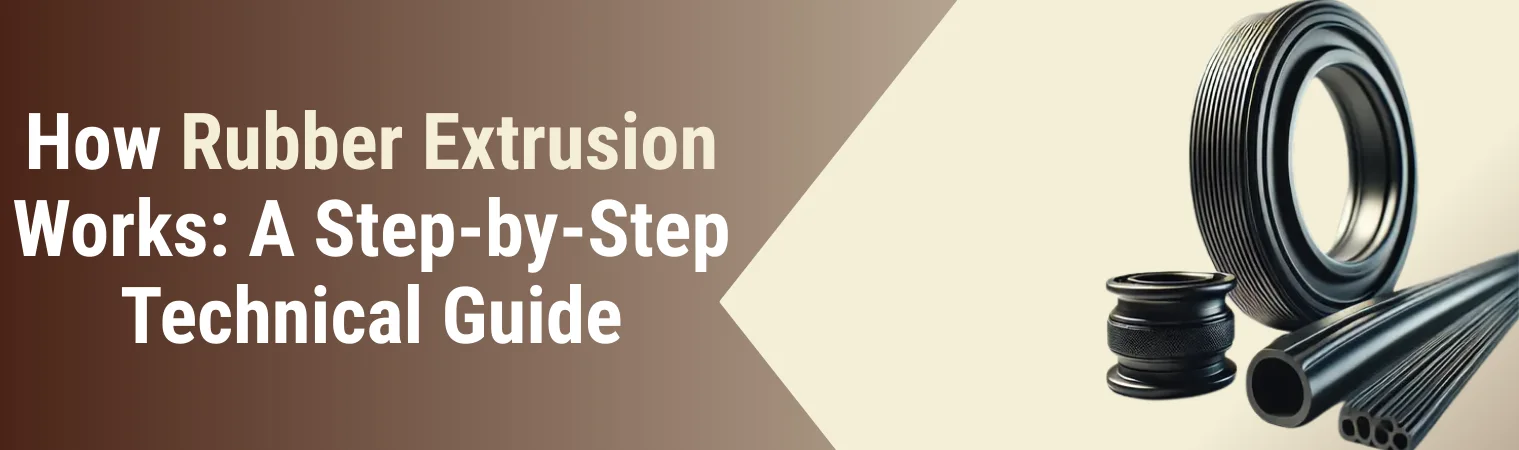
Rubber extrusion is an easy process to make long, continuous rubber shapes for things like seals, gaskets, tubing, and many industrial applications. It helps create strong, flexible parts that fit perfectly and last longer in everyday applications.
Knowing how rubber extrusion works makes it easier for engineers, designers, or technicians to plan ahead and get high-quality profiles that fit just right. This guide explains the process in simple technical steps so that even those new to the process can follow along. Let's understand it clearly, step by step.
1. Material Preparation
Learning the process of rubber extrusion begins with selecting the right material. The raw rubber is mixed with things like softeners, fillers, or curing agents. Everything is mixed well, so the rubber get the right feel, color, and strength. This step makes sure the final profile comes out smooth, even, and works the way it should.
2. Feeding the Extruder
Next, the rubber compound is sent to the extruder machine, one of the most important rubber extrusion stages. Inside the machine, rubber is transported forward by the rotation of the screw. It is necessary to have an even feed of the rubber into the extruder so that it flows uniformly without blocking air or creating any non-uniform areas in the extruded profile.
3. Heating and Plasticizing
As the rubber moves through the extruder barrel, heat is applied to make it soft, not hard. In the rubber extrusion method, temperature and pressure are controlled so the rubber becomes flexible enough to flow through the die easily. This step helps the rubber shape smoothly and lowers strain on the material, which keeps the profile even and clean.
4. Shaping Through the Die
In the next step of rubber extrusion, the softened rubber is pushed through a die to obtain the required shape. This die sets the cross-section of the profile, so it must be very precise. Keeping the die in good condition and properly lined up helps avoid problems like uneven thickness or rough surfaces. Using the right rubber extrusion method here makes the profile smooth and consistent, ready for the next stages without any defects.
5. Cooling and Setting
After leaving the die, the rubber is still soft and needs to cool or set slightly before full curing. The rubber is cooled using air, water, or other controlled methods. It helps the rubber hold its shape and stops twisting, shrinking, or changing as it moves along. It is an important part of the rubber extrusion process because it makes the profile stable and ready to handle safely.
6. Cooling and Setting
The rubber extrusion method further involves a process called curing or vulcanization, which strengthens the rubber and gives it final properties such as elasticity, durability, and resistance to heat or chemicals. This step is often done in a continuous curing system such as a hot-air chamber, steam, or an autoclave, depending on the material and application. Correct curing is crucial to achieving consistent quality in extruded profiles.
7. Cutting and Finishing
When curing is completed, the rubber is either shear-cut to the length of parts required or rolled up for storage and shipping.Finished rubber parts can be further trimmed, surface treated, and inspected for quality because ]these final processes of extruding the rubber ensure that the specifications set for the product are met. Consistent finishing improves performance, ease of installation, and appearance in industrial or consumer applications.
8. Quality Control and Inspection
Quality checks are done throughout to ensure the rubber meets specifications, including size, surface finishl, flexibility, and hardness. Regular inspections help prevent mistakes and keep performance consistent from batch to batch.
9. Tips for Smooth Rubber Extrusion
- Rubber Consistency – Keep the rubber mixture steady so extrusion stays smooth and even, avoiding weak spots or uneven flow.
- Temperature Control – Keep the right temperature and pressure along the extruder so the rubber softens correctly without being overheated or damaged.
- Die Cleaning – Make sure the die is clean and clear of blockages to shape the rubber accurately and avoid surface problems.
- Cooling Monitoring – Watch the cooling carefully to stop warping, shrinking, or twisting after extrusion for keeping the profile stable.
- Profile Inspection – Continually inspect finished profiles for proper size, surface finish, and flexibility to ensure their compliance with specifications and satisfactory operation.

Why Choose Rubber Extrusion?
At Rubber Extrusion, we are driven by core values that guide our business and define our commitment to our clients.

Expertise and Experience - With years of experience in the Rubber Extrusion industries, we have the expertise to deliver custom-designed solutions that meet the most demanding requirements.
High-Quality Products - Our Machined Components are made from high-quality materials, ensuring durability, clarity, and long-lasting performance.
Custom Solutions - We specialize in providing tailored Rubber Extrusion solutions that meet the unique needs of our clients.
Exceptional Customer Service - We provide end-to-end support, from initial consultation to post-delivery assistance, ensuring our clients are delighted with the results.

Need Guidance on Rubber Extrusion?
If you want help understanding rubber extrusion or selecting the right profile for your application, expert guidance can make the process easier. Speaking with Custom Rubber Extrusion can save time and prevent costly mistakes. For clear answers and practical support, reach out today.
Phone: (647) 294-5240 Email: info@customrubber-extrusion.com


