
Surface Finish Issues in Rubber Extrusion and How to Fix Them
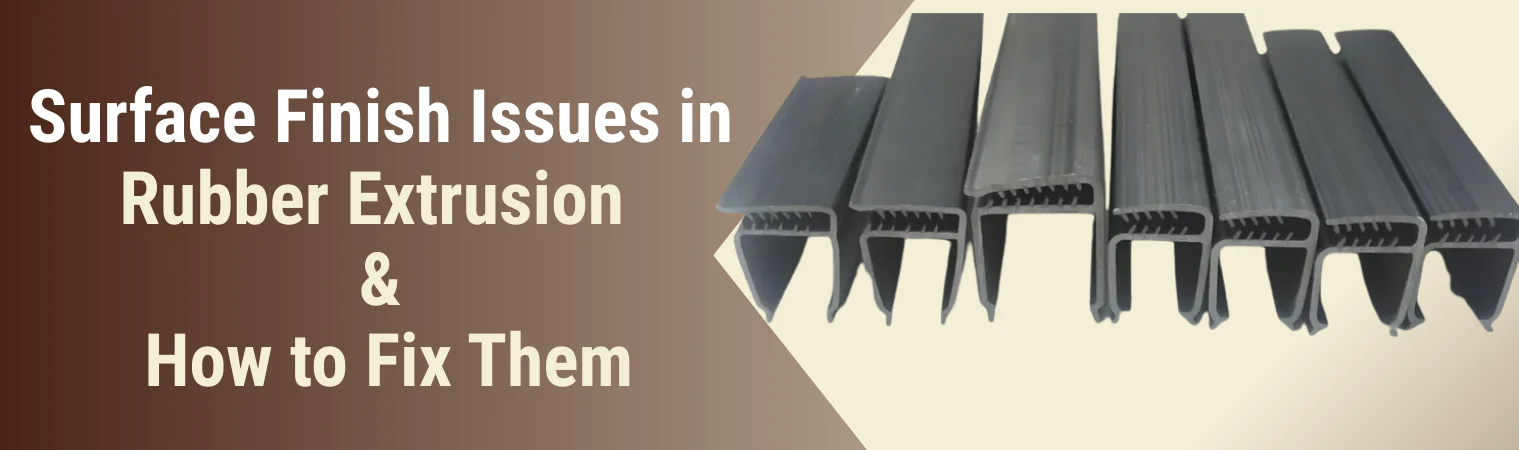
The surface finish is of utmost importance in determining the working and feel of the rubber extruded products in actual performance. Sometimes, sealing, comfort, or day-to-day use could be made difficult due to rough or uneven surfaces. Most surface issues do not come from big mistakes. They usually start from small process changes that people often miss or ignore. This mentions common surface finish problems in rubber extrusion, why they happen, along tips to correct them with practical steps. The focus is on understanding and controlling through awareness, improving consistency, and bringing up better results.
Surface Finish Issues in Rubber Extrusion – Practical Checklist
- Rough or grainy surface- Usually happens when the temperature is too low or keeps changing, the rubber does not flow evenly, or the die surface is worn out
- Lines or drag marks along the profile- Often linked to a worn die, dirt or particles in the material, or uneven extrusion speed.
- Bubbles, pinholes, or blisters- Commonly caused by trapped air, moisture in the rubber, or poor handling of the material
- Gloss changes or dull spots- Can come from uneven heat, pressure changes, or cooling that is not the same everywhere
- Surface tearing or cracking- Happens when the speed or pressure is too high for the rubber being used
- Sticky or smeared surface- Often due to too much heat, wrong cooling time, or rubber sticking inside the die
This checklist makes it easier to spot surface finish problems early and connect them to possible process causes, so fixes can be made before the issue gets worse.
Why Do Surface Issues Appear During Rubber Extrusion?
Surface Problems do appear due to an imbalance in flow, temperature, or handling of the materials. Surface defects in rubber extruded products usually show their effect in rough patches, lines, bubbles, or uneven textures on the surface. These problems can start as early as the raw material stage or during the extrusion process. If the rubber is not mixed properly or if moisture gets in, the extrusion surface finish can be affected. Even small changes in speed or pressure can create surface marks that become more visible once the rubber cools down.
How Does Temperature Control Affect the Final Look?
Temperature plays a quiet but powerful role in rubber extrusion. If the rubber is too hot, it may flow too quickly and lose surface smoothness. In case of low temperature, the rubber will not flow as freely, which may result in drag marks or dull patches. These problems affect the rubber profile appearance, making the final product look uneven or unfinished. Maintaining a steady temperature throughout the process helps the rubber flow evenly and keeps the outer surface clean and uniform from start to finish.
Can Die Design and Wear Cause Surface Finish Problems?
Yes, the condition of the die greatly affects surface quality. Worn or damaged dies can cause scratches, lines, or uneven flow marks on the rubber. This directly impacts extrusion quality problems, especially when defects repeat along the length of the profile. A poorly designed die can also disturb material flow, affecting the extrusion surface finish. Regular inspection, cleaning, and polishing of dies helps reduce friction and support smoother extrusion results over time.
What Role Does Material Handling Play in Surface Quality?
Material handling is often underestimated. Improper storage can introduce dust, moisture, or contamination into the rubber compound. These issues may show up later as rubber extrusion surface defects, such as pinholes or surface bumps. Rough handling after extrusion can damage soft profiles before they fully set, affecting their appearance. Using clean storage spaces, careful handling, and controlled cooling areas helps keep the surface safe until the profile is ready for further use or next steps.
How Do Speed and Pressure Influence Surface Consistency?
The extrusion speed and pressure should balance each other. High speed with low control will stretch the rubber unevenly, while excessive pressure will force material too harshly through the die. Both situations can lead to extrusion quality problems like tearing, rough textures, or gloss variations. Gradual adjustments and close monitoring allow the rubber to flow smoothly, supporting a more even and predictable surface throughout the extrusion run.
What Practical Steps Help Prevent Recurring Surface Issues?
Surface finish issues in rubber extrusion often begin with small process gaps that become visible over time. When temperature, speed, material handling, or die condition are not well balanced, the surface can appear rough, uneven, or inconsistent. These challenges affect rubber extrusion surface defects, overall extrusion surface finish, and rubber profile appearance, and lead to repeated extrusion quality problems. Catch the early indications, control the process in a constant way, and keep a checklist readily at hand can improve surface quality without major changes or improvements.
Quick Checklist (6 points):
- Check material cleanliness and moisture
- Maintain stable temperature
- Inspect the die condition regularly
- Control extrusion speed
- Handle profiles gently after extrusion
- Monitor surface changes early

Why Choose Rubber Extrusion?
At Rubber Extrusion, we are driven by core values that guide our business and define our commitment to our clients.

Expertise and Experience - With years of experience in the Rubber Extrusion industries, we have the expertise to deliver custom-designed solutions that meet the most demanding requirements.
High-Quality Products - Our Machined Components are made from high-quality materials, ensuring durability, clarity, and long-lasting performance.
Custom Solutions - We specialize in providing tailored Rubber Extrusion solutions that meet the unique needs of our clients.
Exceptional Customer Service - We provide end-to-end support, from initial consultation to post-delivery assistance, ensuring our clients are delighted with the results.

Need Guidance on Rubber Extrusion?
If you want help understanding rubber extrusion or selecting the right profile for your application, expert guidance can make the process easier. Speaking with Custom Rubber Extrusion can save time and prevent costly mistakes. For clear answers and practical support, reach out today. Phone: (647) 294-5240 Email: info@customrubber-extrusion.com


