Essential Rubber and Silicone Molding Resources for Quality Parts
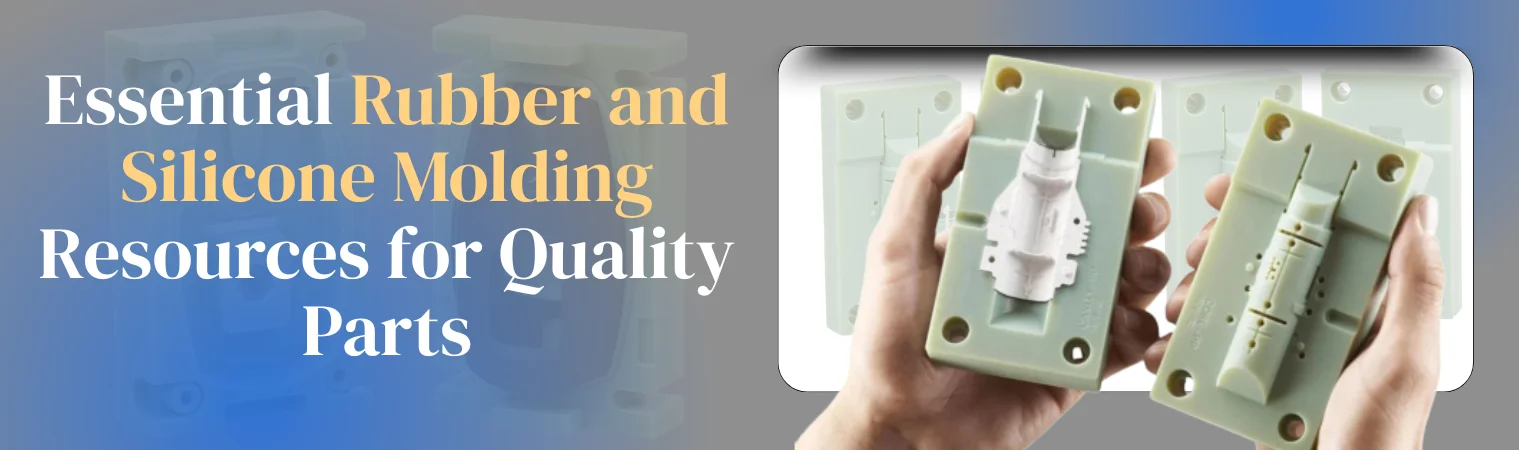
Molding of rubber and silicone has several applications, from automobiles to medical to consumer products. In fact, understanding the molding process, material selection, and defect prevention are among the very first steps to take to develop strong and reliable parts. For the purposes of making wise choices between quality and efficiency, it is very important for the designers and manufacturers to have all-encompassing rubber and silicone molding resources. RUBBER SILICONE MOLDS focuses on providing expert solutions related to custom molded components in relation to various industrial requirements.
What are the differences between Rubber and Silicone Molding?
Rubber and silicone molding serve similar purposes but have different properties and applications, as well as processing methods. Standard rubber types such as neoprene and EPDM are widely used in gaskets, seals, and vibration dampers. It has excellent mechanical strength and chemical resistance. Silicone, on the other hand, has better stability at different temperatures, better flexibility, and good biocompatibility.
As far as the molding process is concerned, it may also vary. Rubber molding often works with compression, transfer, or injection processes, while silicone molding commonly works with liquid silicone rubber (LSR) in injection or compression molds. These differences help guide the manufacturer in choosing the material and molding process suitable for any given overall application-whether it be a heavy industrial seal or a finely controlled medical component.
Which types of silicone are good for high-temperature or medical applications?
Silicone grades differ, with each grade designed for different applications. For instance, VMQ (vinyl-methyl silicone) is an example of a heat-resistant silicone that would work well in very high-temperature environments because it remains flexible and strong despite the high temperature. Medical-grade silicone is usually platinum-cured, which ensures biocompatibility and chemical stability to sterilization methods such as autoclaving. Selecting the appropriate silicone grade is crucial-safety must be accounted for, as well as function, particularly for sensitive applications such as medical devices or food processing equipment. The appropriate silicone grade to use is based on performance requirements and acceptable internal standards.
How to Choose the Right Rubber or Silicone for Your Project?
Since the possible application is the most important factor that determines what kind of material to pick, one must also consider how the environment operating in the project will change and how it will behave on a larger scale in achieving the expected performance.
Consider these points:
- Temperature range: Some rubbers degenerate in extreme high heat, while silicone remains stable under high temperature.
- Chemical exposure: Certain rubbers resist oils, fuels, or acids, whereas silicone is more inert.
- Flexibility and durability: Harder rubber types provide mechanical strength, while silicone provides greater elasticity compared to hard rubber types.
- Regulatory compliance: There are strict safety standards governing food-grade or medical-grade silicone. That is why one must visit reliable rubber and silicone molding resources or consultants for assurance about functional and regulatory requirements to reduce the failure and defect odds of the finished product.
What are Typical Defects in Parts that are molded using Silicone and Rubber?
It is possible for defects to occur while molding using the best materials. Examples of these defects include:
- Bubbles/Void: Formed due to air entrapment or improper degassing of liquid silicone.
- Flash: Occurs when excess material seeps from the mold joints due to either bad design between the molds or high injection pressure.
- Incomplete Filling: Low-thickness walls, sharp corners, or wrong curing will not allow the mold to fill completely.
- Discoloration: High heat or even contamination during improper curing may affect the final appearance of the manufactured silicone part.
Understanding the above defects will help in proper designing, material selection, and process control towards the improvement of quality in molded components. It lays emphasis on precision of production and on mold design for keeping such phenomena to a minimal level in production output that is consistent and reliable.

Why Choose Rubber Silicone Molds
At Rubber Silicone Molds, we are driven by core values that guide our business and define our commitment to our clients.

Expertise and Experience - With years of experience in the Rubber Silicone Molds industries, we have the expertise to deliver custom-designed solutions that meet the most demanding requirements.
High-Quality Products - Our Bellows are made from high-quality materials, ensuring durability, clarity, and long-lasting performance.
Custom Solutions - We specialize in providing tailored Rubber Silicone Molds solutions that meet the unique needs of our clients.
Exceptional Customer Service - We provide end-to-end support, from initial consultation to post-delivery assistance, ensuring our clients are delighted with the results.

Conclusion
The process of manufacturing durable, high-quality, and functional molded parts is dependent on accessing and applying the right rubber and silicone molding resources. The difference between success and failure in the understanding of materials and material differences, selection of a suitable silicone grade, avoidance of common faults, and optimization of the manufacturing processes is knowledge. Practical, quality-oriented experts and consultants, such as RUBBER SILICONE MOLDS, provide solutions that ensure efficient and reliable achievement of industrial goals. Companies can then use these resources and best practices to ensure their components achieve required levels of performance, safety, and customer satisfaction.
Get the Right Advice from Our Experts
Call Rubber Silicone Molds at +1(646)-814-4070 or have your project analyzed by emailing info@rubbersiliconemolds.com.
Get In Touch
137-1140 Burnhamthorpe Rd. W | Mississauga ON L5C 0A3 | Canada
Popular Links
© RUBBER SILICONE MOLDS. All Rights Reserved.


