How does silicone Rubber Benefit In Electrical insulation and low-temperature environments?
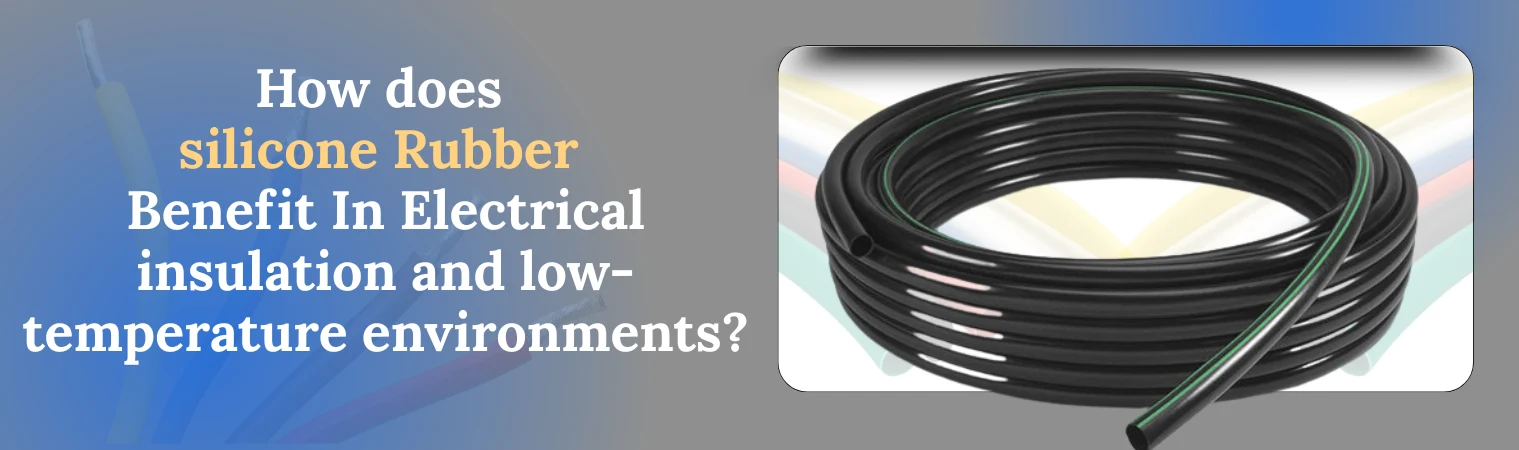
Silicone rubber is one of the most adaptable materials used today in engineering, medical, and industrial products. It stays stable in extreme temperatures, resists weathering, and keeps its elasticity for years, making it ideal for demanding environments. From seals and gaskets to medical-grade components, silicone offers a rare mix of mechanical, thermal, and chemical advantages.
The long service life and reliable Silicone Rubber Material Properties make it a top choice for high-performance applications. Rubber silicone molds use these advantages to deliver high-precision and durable molded parts across industries.
What are the key properties of silicone?
- Resistant to extreme temperatures: It is capable of working reliably in high heat (around 230–260°C) and extreme cold (down to about –60°C or lower) conditions.
- Great electrical insulation: It also provides strong dielectric strength and resists tracking and arcing, making it ideal for cables, connectors, and electronic parts.
- Resistant to chemicals: Stands up well to oils, solvents, UV light, ozone, and many cleaning agents.
- Designed to last outdoors: Holds up against aging, sunlight, and tough weather conditions.
- Super flexible and elastic: The Silicone material stays flexible and can maintain elasticity across a wide temperature range without breaking or cracking.
- Strong and tear-resistant: Provides solid mechanical strength for things like seals, gaskets, and molded components.
- Safe for sensitive uses: Its biocompatibility makes it suitable for medical gear, food-contact products, and baby items.
- Keeps its shape: Has a low compression set, so it maintains form even after repeated squeezing—great for seals and gaskets.
What makes silicone rubber more flexible than other elastomers?
Silicone rubber is inherently flexible, possessing a unique structure consisting of a repeat of silicon and oxygen atoms. That structure decides its ability to bend, stretch, and return to its original form without damage. Unlike many elastomers available, which would become stiff under heat or UV exposure, silicone remains elastic in both hot and cold conditions. Its flexibilities are uniform and hence applicable to parts that need to handle movement, vibration, or repeated pressure, such as soft seals, dynamic gaskets, and components used in changing environments.
What are the electrical insulation properties of silicone rubber?
Silicone rubber is well-known for providing reliable electrical insulation as it keeps its dielectric strength when exposed to heat, moisture, chemicals, or the outdoors, which is why it’s a go-to material for many electrical and electronic applications. Insulation benefits of silicone rubber include:
What Safety Guidelines Apply to Industrial Rubber Manufacturing Units?
Worker protection from heat, chemicals, machines, and even heavy equipment is quite an important subject under the main topic of safety in rubber manufacturing. Important points include:
- Very high dielectric strength ranges of temperature: Silicone is a very good insulator in freezing conditions and is also functional in very high temperatures, where sensitive equipment is found.
- Very good resistance to moisture and humidity- Silicone doesn't allow moisture penetration, leading to short circuits and failures in wet or damp use applications. Perfect for use outdoors or in damp situations.
- Strong protection against tracking and arcing – Silicone stops the formation of carbon paths and discharge of electricity on the surface, thus enhancing the life of components. It ensures a safer way of operating for high-voltage or industrial machinery.
- Stable performance outdoors and in extreme environmental conditions – It resists UV rays, chemicals, and weathering, thus maintaining functional effectiveness with reliable long-term use. Perfect for all applications in cables, housing, and component exposure.
- Suitable for seals and protective housing of cables and connectors – Its flexibility permits it to be molded into variously designed parts, which ensures the safety and durability of silicone in a tough environment. Silicone provides outstanding reliability over the years.
Is silicone rubber suitable for low-temperature environments?
The silicone rubber retains its remarkable resistance to the effects of extremely low temperatures. Most elastomers stiffen by cracking low temperatures while silicone remains flexible to a temperature of -60°C, with a few specialized grades being able to go even lower. This characteristic makes silicone very useful for refrigeration, aerospace equipment, outdoor seals, and cryogenic applications.
Even after long exposure to cold, it maintains its ability to absorb vibration and create a reliable seal. Since it stays flexible in both extreme cold and heat, silicone is commonly used in industries that deal with wide temperature fluctuations.
How does silicone rubber compare to natural rubber and other synthetic rubbers?
Silicone rubber offers better temperature resistance, long-term flexibility, and environmental stability than natural rubber and many synthetic elastomers. It has the ability to resist sunlight, ozone, or humidity-induced damage, and it stays elastic for years. Comparison highlights:
- Handles extreme heat and cold better than natural rubber
- Excellent resistance to sunlight, ozone, and weathering
- Better long-term flexibility than neoprene or EPDM
- More stable for outdoor and high-temperature use
- Lower tear strength than certain high-strength synthetic rubbers

Why Choose Rubber Silicone Molds
At Rubber Silicone Molds, we are driven by core values that guide our business and define our commitment to our clients.

Expertise and Experience - With years of experience in the Rubber Silicone Molds industries, we have the expertise to deliver custom-designed solutions that meet the most demanding requirements.
High-Quality Products - Our Bellows are made from high-quality materials, ensuring durability, clarity, and long-lasting performance.
Custom Solutions - We specialize in providing tailored Rubber Silicone Molds solutions that meet the unique needs of our clients.
Exceptional Customer Service - We provide end-to-end support, from initial consultation to post-delivery assistance, ensuring our clients are delighted with the results.

Conclusion
Silicone rubber is a choice material for harsh conditions in modern manufacturing due to the required flexibility, along with durability and excellent electrical insulating ability. It provides good serviceability extended into long working hours for end applications: everything from automotive and medical to electrical and consumer goods. Industries can select and mold silicone effectively while using trusted industrial rubber manufacturing resources. When chosen and processed correctly, silicone components offer dependable strength, safety, and performance across countless real-world applications.
Get the Right Advice from Our Experts
Call Rubber Silicone Molds at +1(646)-814-4070 or have your project analyzed by emailing info@rubbersiliconemolds.com.
Get In Touch
137-1140 Burnhamthorpe Rd. W | Mississauga ON L5C 0A3 | Canada
Popular Links
© RUBBER SILICONE MOLDS. All Rights Reserved.


