FAQs on Rubber Materials, Manufacturing, and Defect Prevention
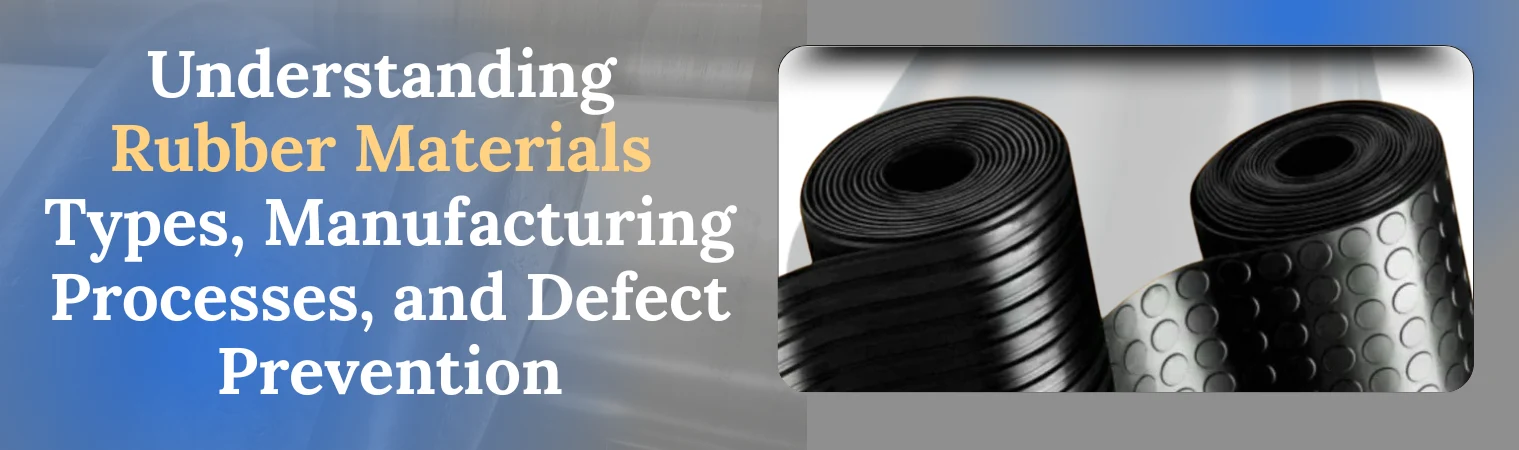
Rubber manufacturing is the most integral part of many industrial processes, which offer components for automotive systems, medical devices, electrical devices, consumer goods, and heavy machinery. Unlike metals or plastics, rubber has a different behavior, so it becomes necessary to understand material properties, molding techniques, quality control, and troubleshooting methods, so manufacturers can manufacture rubber parts that conform well and have continual performance.
An excellent rubber manufacturing knowledge base helps engineers, product designers, and procurement make sound decisions concerning material selection, process optimization, and long-term reliability.
What are the main types of rubber used in manufacturing, and how do they differ?
Manufacturing rubber can be broadly categorized into two types: natural rubber (NR) and synthetic rubber. Natural rubber is superior in elasticity as well as tear strength, in addition to dynamic performance, which allows mounts and springs to be used in vibration dampers, as well as in moving industrial components. It has limitations and can break down in the presence of heat, oil, ozone, or even some chemicals.
Common synthetic rubbers include:
- EPDM: Excellent resistance to weather, ozone, and steam; typically used in automotive and external applications.
- Nitrile Rubber: Ideally intended for oil and fuel resistance, usually used in seals and gaskets manufacturing, plus O-rings.
- Silicone Rubber: Commonly used due to its excellent thermal resistance--extreme temperatures--biocompatibility and stability; indeed used in medical devices and food-grade parts.
- Neoprene: Balanced oil, weather, and abrasion resistance make it very usable for general-purpose sealing.
- Viton: Best high temperature and chemical environments.
Difference between compression, transfer, and injection molding in rubber manufacturing?
Manufacturing rubber parts is generally carried out using three methods, the selection of which depends on the design of the part and production volume.
- Compression Molding- This method is the simplest and most often the cheapest. Raw rubber is laid directly into an open mold cavity and then compressed between heated plates. It is suited for the manufacture of larger, simpler, or thicker parts. However, the downside to this process is that it may take longer than its other counterparts.
- Transfer Molding- In transfer molding, rubber is loaded into a chamber and forced into the mold cavity by way of small runners. This method minimizes excess material to flash, offers a suitable capability for well-designed geometries, and performs much better than compression molding regarding repeatability. It is mostly used for parts requiring metal inserts.
- Injection Molding- Injection molding is the most advanced technique. Rubber is preheated, plasticized, and injected at high pressure into closed molds. This has the advantage of fast cycle times, good precision, and minimum waste, and therefore is suited for high-volume production. Most benefit from this process are plastic parts that are complex and have tight tolerances.
How to choose the right rubber material?
The best choice of rubber material is determined by the conditions experienced by the part. For example, silicone and Viton withstand high temperatures, while natural rubber does not perform as well at those temperatures. For oil resistance, Nitrile-to-Oil, EPDM is for steam and outdoor environments, and FKM can resist the most aggressive chemicals. In many areas where wear is an issue, SBR and natural rubber are preferred. Other conditions to consider include hardness and resilience, and regulation compliance, and rubber engineers should be consulted for the best long-term performance.
What quality control tests are used in rubber manufacturing to ensure durability and performance?
Typical quality control tests include:
- Tensile Strength and Elongation Tests: Which simply determine how flexible and durable a casted part is.
- Hardness (Shore A or D): To ensure consistent stiffness of the material.
- Compression Set: It checks to assess how much of the rubber is permanently deformed under pressure.
- Aging Tests: Measures performance following exposure to heat, ozone, or UV.
- Chemical and Fluid Resistance Tests: It would ensure compatibility with oils, fuels, and chemicals.
These tests help in revealing process problems early and verifying that finished parts meet customer specifications.
Typical defects in rubber molding, and how they can be avoided?
Rubber molding defects as a result of poor mold design, improper preparation of materials, or incorrect process parameters. Among these defects are:
- Flash: This happens when extra rubber squeezes out around the edges. It can be prevented by keeping the mold tight and adjusting the clamping force correctly.
- Short Shots: This occurs when the mold doesn’t fill completely. The fix is usually adjusting the temperature, pressure, or flow.
- Burn Marks: Caused by trapped air in the mold. Making sure the mold is properly vented usually solves the problem.
- Blister or Bubble: moisture or trapped gases cause a blister or a bubble, which can be minimized by proper material pre-heating and degassing.
- Surface Imperfections: Probably from worn molds or contamination; mold maintenance would help against this.

Why Choose Rubber Silicone Molds
At Rubber Silicone Molds, we are driven by core values that guide our business and define our commitment to our clients.

Expertise and Experience - With years of experience in the Rubber Silicone Molds industries, we have the expertise to deliver custom-designed solutions that meet the most demanding requirements.
High-Quality Products - Our Bellows are made from high-quality materials, ensuring durability, clarity, and long-lasting performance.
Custom Solutions - We specialize in providing tailored Rubber Silicone Molds solutions that meet the unique needs of our clients.
Exceptional Customer Service - We provide end-to-end support, from initial consultation to post-delivery assistance, ensuring our clients are delighted with the results.

Conclusion
A strong knowledge base for rubber manufacturing will yield a better selection of materials, smarter decisions in processes, and improved quality of the products. Understanding rubber types, molding methods, quality tests, and techniques of defect prevention can help reputed manufacturers like RUBBER SILICONE MOLDS and engineers create reliable, long-lasting, and high-performing rubber components. Whether you design a simple gasket or highly complex precision seals, this will ensure you efficient production and future product success.
Get the Right Advice from Our Experts
Call Rubber Silicone Molds at +1(646)-814-4070 or send a project under analysis to info@rubbersiliconemolds.com.
Get In Touch
137-1140 Burnhamthorpe Rd. W | Mississauga ON L5C 0A3 | Canada
Popular Links
© RUBBER SILICONE MOLDS. All Rights Reserved.


