Rubber Extrusion Die Materials
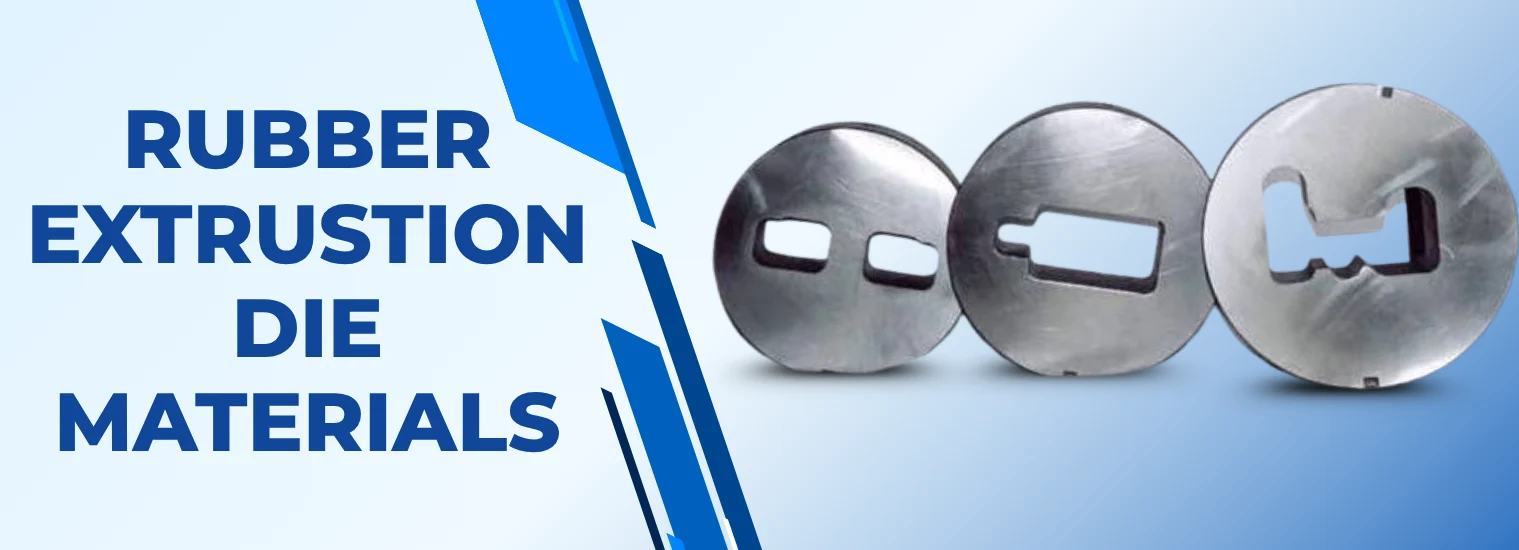
Rubber extrusion is a critical manufacturing process used to produce consistent rubber profiles for industries ranging from automotive and plumbing to construction and electronics. One of the most vital components in this process is the extrusion die, which shapes the rubber material as it passes through the extrusion machine. Selecting the right rubber extrusion die materials is crucial for ensuring product quality, durability, and operational efficiency. The choice of die material affects not only the lifespan of the die but also the quality of the extruded rubber profiles.
The die in a rubber extrusion process is responsible for shaping the raw rubber compound into a precise profile. During extrusion, the die must withstand high pressure, friction, and wear caused by continuous contact with rubber compounds. Poor die material can lead to frequent wear, die deformation, inconsistent product dimensions, and increased production downtime. Therefore, understanding die material properties is essential for manufacturers to achieve high-quality rubber extrusions consistently.
Common Materials Used for Rubber Extrusion Dies
Several materials are commonly used for rubber extrusion dies, each with its advantages and limitations. The choice of material often depends on the type of rubber being extruded, production volume, and operational conditions.
1. Tool Steel
Tool steel is one of the most widely used materials for rubber extrusion dies. It is favored for its exceptional hardness, wear resistance, and durability. Tool steel dies can handle high-pressure extrusion processes and are suitable for a wide range of rubber compounds, including EPDM, silicone, and nitrile rubber.
Advantages:
- High resistance to wear and abrasion.
- Maintains dimensional stability under pressure and heat.
- Can be precision-machined for complex profiles.
Limitations:
- Higher initial cost compared to other materials.
- Requires periodic maintenance and polishing to maintain surface quality.
2. Stainless Steel
Stainless steel is another popular choice for rubber extrusion dies, particularly when corrosion resistance is important. It is ideal for extruding rubber compounds that contain moisture or chemicals, as stainless steel resists rust and corrosion.
Advantages:
- Excellent corrosion resistance, especially in humid or chemical-prone environments.
- Suitable for food-grade and medical rubber extrusion applications.
- Long service life with proper maintenance.
Limitations:
- It can be more expensive than standard tool steel.
- Slightly lower wear resistance compared to hardened tool steel.
3. Carbide-Tipped Dies
For high-volume production or abrasive rubber compounds, carbide-tipped dies offer exceptional wear resistance. Carbide inserts or tips are often bonded onto steel dies to combine the toughness of steel with the hardness of carbide.
Advantages:
- Extremely high wear resistance, extending die life significantly.
- Reduces downtime caused by frequent die replacements.
- Ideal for abrasive or filled rubber compounds.
Limitations:
- High cost due to carbide material.
- More challenging to machine or repair if damaged.
4. Beryllium Copper
Beryllium copper is less common but is occasionally used for dies that require excellent thermal conductivity. This material helps in maintaining uniform temperature across the die, preventing localized overheating and improving extrusion consistency.
Advantages:
- Excellent thermal conductivity for heat-sensitive rubber compounds.
- Resistant to deformation under pressure.
- Suitable for small to medium production runs.
Limitations:
- Higher material cost.
- Less wear-resistant than hardened tool steel.
Factors to Consider When Choosing Die Materials
Selecting the right rubber extrusion die material involves considering multiple factors:
- Type of Rubber Compound: Harder compounds or those with fillers (e.g., carbon black, silica) require more wear-resistant die materials. Softer compounds may allow the use of standard tool steel.
- Production Volume: High-volume production benefits from durable materials like carbide-tipped or hardened tool steel dies, reducing downtime and maintenance costs.
- Temperature and Pressure: Rubber extrusion generates heat and pressure; die materials must withstand these conditions without warping or losing shape.
- Corrosion and Chemical Resistance: If the rubber compound contains chemicals or moisture, corrosion-resistant materials like stainless steel are preferable.
- Complexity of Profile: Intricate profiles may require materials that can be precision-machined without chipping or distortion.
Maintenance and Longevity of Rubber Extrusion Dies
Even the best die materials require proper care to maintain performance. Proper maintenance ensures that dies last longer, reduces production downtime, and maintains consistent rubber profile quality. Regular maintenance practices include:
- Routine inspection for wear or deformation.
- Polishing and cleaning to prevent rubber residue buildup.
- Lubrication and temperature control during extrusion to reduce friction and stress.

Why Choose Custom Rubber Extrusion?
At Custom Rubber Extrusion, we are driven by core values that guide our business and define our commitment to our clients.

Expertise and Experience - With years of experience in the Extrusions industries, we have the expertise to deliver custom-designed solutions that meet the most demanding requirements.
High-Quality Products - Our ExtrusionsExtrusions are made from high-quality materials, ensuring durability, clarity, and long-lasting performance.
Custom Solutions - We specialize in providing tailored Extrusions solutions that meet the unique needs of our clients.
Exceptional Customer Service - We provide end-to-end support, from initial consultation to post-delivery assistance, ensuring our clients are delighted with the results.

Conclusion
The choice of rubber extrusion die materials is a critical factor in achieving consistent, high-quality rubber products. Tool steel, stainless steel, carbide-tipped dies, and beryllium copper each offer distinct advantages depending on the application, compound type, and production requirements. By carefully selecting the right die material and maintaining it properly, manufacturers can ensure long die life, reduced maintenance costs, and superior product quality. Understanding these materials and their properties is crucial for any rubber extrusion operation aiming for efficiency, durability, and precision.