Fast Delivery And Low MOQ With Money Back Guarantee...
Fast Delivery And Low MOQ With Money Back Guarantee...

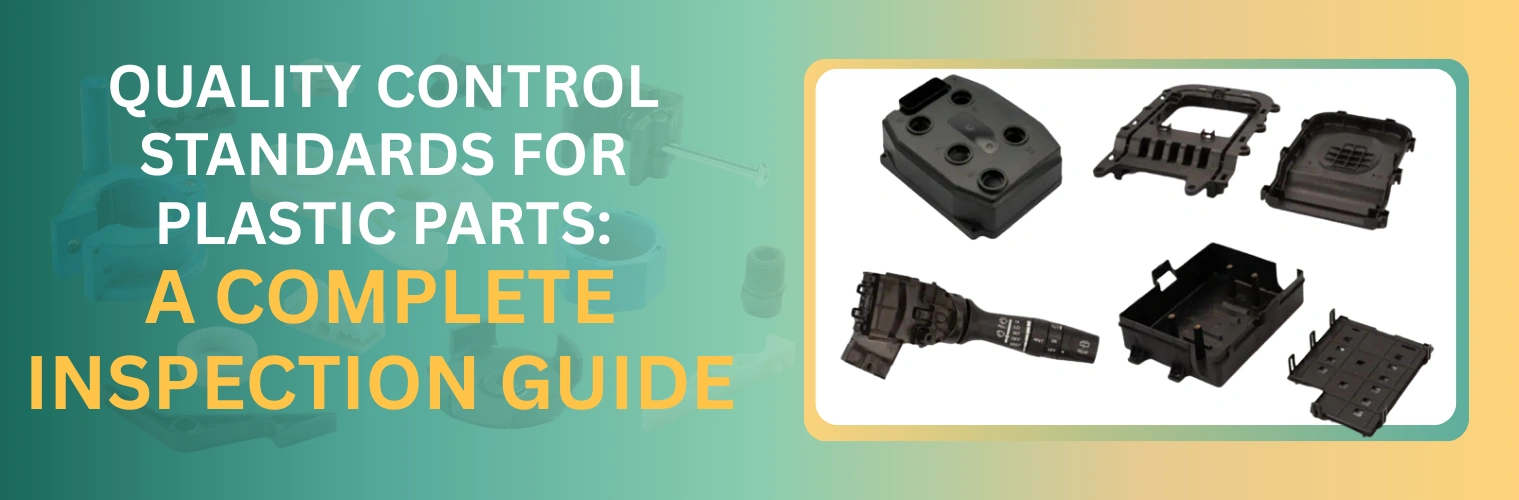
Ensuring consistent product quality is essential in every stage of product development. High-quality plastic components improve product performance, reduce defects, and help meet regulatory requirements. Without strict quality checks, issues like warpage, shrinkage, sink marks, and dimensional inaccuracy can appear during production.
Manufacturers must apply accurate inspection practices to maintain reliability and customer trust. Strong quality systems also reduce scrap, rework, and machine downtime.
Plastic components must satisfy several critical performance requirements. Each parameter directly influences durability and long-term usability. Understanding these factors helps improve design, production, and testing accuracy.
Important key parameters for Quality Control
These parameters help determine whether a part is suitable for the intended use.
Dimensional stability is one of the most important elements of plastic part inspection. Inaccurate dimensions lead to poor assembly, functional failure, or product malfunction. To maintain consistency, manufacturers use calibrated tools to measure length, width, thickness, and hole placement.
Best practices include:
Accurate measurements help reduce errors before moving to mass production.
Visual inspection helps identify defects that might not affect performance but can impact customer satisfaction. Surface quality is especially important for consumer goods, medical devices, and automotive components.
Common defects checked visually include:
Inspectors usually follow documented guidelines to ensure consistent interpretation of visual defects.
Plastic products must withstand stress, load, and environmental conditions without failure. Manufacturers conduct mechanical tests to confirm that material properties match required performance levels.
Typical mechanical tests include:
Testing ensures the part’s durability matches end-use requirements.
Material selection directly affects product reliability. Before production begins, quality control teams verify materials to ensure proper mechanical, thermal, and chemical resistance properties.
Material verification includes:
Material authentication prevents contamination and ensures long-term stability.
Plastic components often face harsh environmental conditions such as heat, humidity, UV rays, and chemical exposure. Thermal testing helps determine whether the material maintains its structural integrity under extreme conditions.
Environmental tests evaluate:
Such tests ensure the plastic part remains reliable over its entire lifecycle.
Quality control does not end at the material or pre-manufacturing stage. In-process inspection is essential to avoid defects during molding. Continuous monitoring keeps production consistent and reduces the risk of defective batches.
In-process checks include:
This real-time inspection prevents quality drift and improves overall efficiency.
Once the molding process ends, final product inspection ensures all parts meet the required standards before packaging. This step prevents complaints, warranty claims, and returns.
Final inspection covers:
A final inspection checklist ensures every part delivered is defect-free.
Maintaining proper documentation is a critical part of any quality control system. Records ensure compliance with industry standards and help track defects back to their source.
Quality documentation includes:
Such documentation is essential for industries such as medical, aerospace, and automotive, where strict regulations are required.
Modern manufacturing uses advanced technology to ensure accuracy and consistency. These tools help in faster detection, higher accuracy and automation of quality related tasks.
Common quality tools include:
Technology-based inspection minimizes human error and improves repeatability.
Strict quality standards are essential for making reliable, high-performance plastic parts. By applying controlled inspection methods, verifying materials, testing mechanical and thermal properties, and documenting every process step, manufacturers can reduce defects and maintain consistent output. Strict Quality Control Standards for Plastic Parts ensures better customer satisfaction, improved efficiency, and long-term product reliability.
Need Expert Help With Plastic Part Quality Control? (CTA)
For professional inspection, testing, or manufacturing support, contact our experts today.: +1(917)-993-9690 or info@plastic-injectionmolding.com

